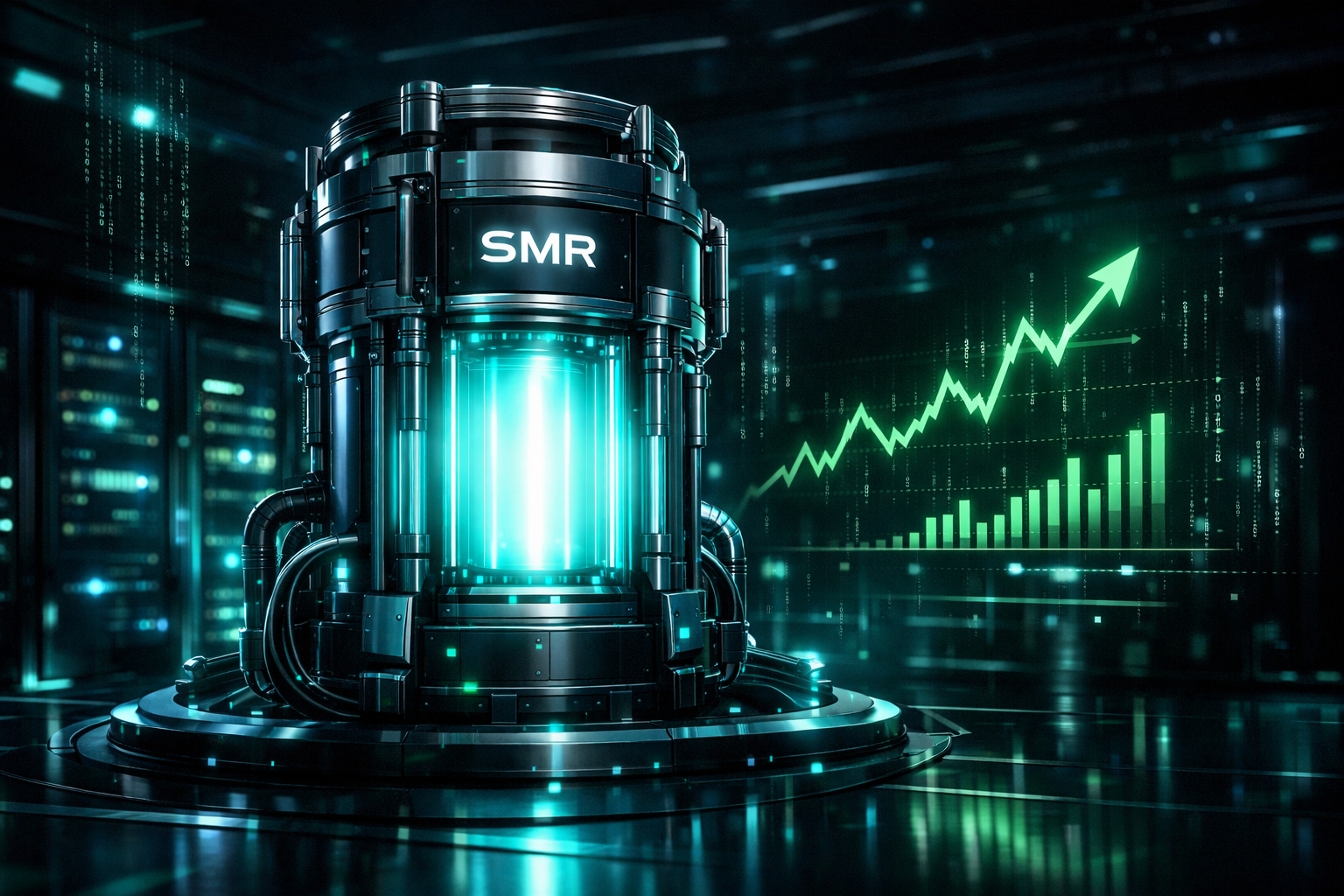
In late March 2026, the intersection of Artificial Intelligence and carbon-free energy has become the defining signal for the nuclear sector. Market analysis across major outlets like Bloomberg, Reuters, and World Nuclear News reveals a structural shift: Big Tech is no longer just a customer of the grid; they are becoming the primary financiers of the next generation of nuclear infrastructure.
1. The Hyperscale Nuclear Pivot
Consensus among industrial analysts points to a "profound acceleration" in Small Modular Reactor (SMR) deployment, directly funded by the balance sheets of hyperscalers. Headlines this week emphasize the sheer scale of capital being deployed.
- Amazon’s $200B Signal: Reports highlight Amazon’s massive 50% increase in capital expenditure for 2026, with a primary focus on powering data centers through nuclear equity investments in firms like X-energy.
- Google’s 24/7 Strategy: Analysis of Google’s latest clean energy deals confirms a pivot toward integrated SMR capacity to achieve carbon-free operations by 2030, specifically targeting localized data center power.
2. Strengthening the Domestic Fuel Chain
For investors in ETFs like $URA and $URNM, the "conversion and enrichment" narrative is the key signal cluster. The consensus is that energy security has replaced cost as the primary driver for procurement.
- US Production Ramp: Headlines from PR Newswire and Morningstar confirm regulatory approvals for expanded production at key sites like UEC’s Christensen Ranch, alongside the launch of the first domestic conversion facilities in seven decades.
- Price Floors: Institutional analysis suggests that spot uranium prices (hovering near $90/lb) are being supported by a long-term demand floor from tech giants securing 15-20 year supply agreements.
3. Global SMR Momentum
The signal isn't limited to the US. European headlines from Sweden and Finland indicate a rapid legislative shift to allow commercial SMR campuses. This global consensus suggests that nuclear energy is being reclassified from a "legacy" asset to "essential tech infrastructure."
Conclusion
The market consensus in March 2026 is clear: The AI revolution is contingent on a nuclear revival. As tech giants move to secure baseload power, the traditional boundaries between "tech" and "utilities" are blurring. These observations are based on aggregated news reports and do not constitute financial advice.
Try the Live Dashboard
Select any of the 40+ ETFs and see their curated news feed instantly — no account required.
Open Dashboard